Feel more like
yourself. Women’s health physical therapy
One of the first Massachusetts based physical therapists to embrace women’s health and pelvic floor physical therapy, I’ve brought hope and healing to thousands of women for over 30 years.One of Massachusetts’ first women’s health and pelvic floor physical therapists, I’ve helped thousands of women find hope and healing for over 30 years.
Care that starts with listening.
One-on-one, at every visit.

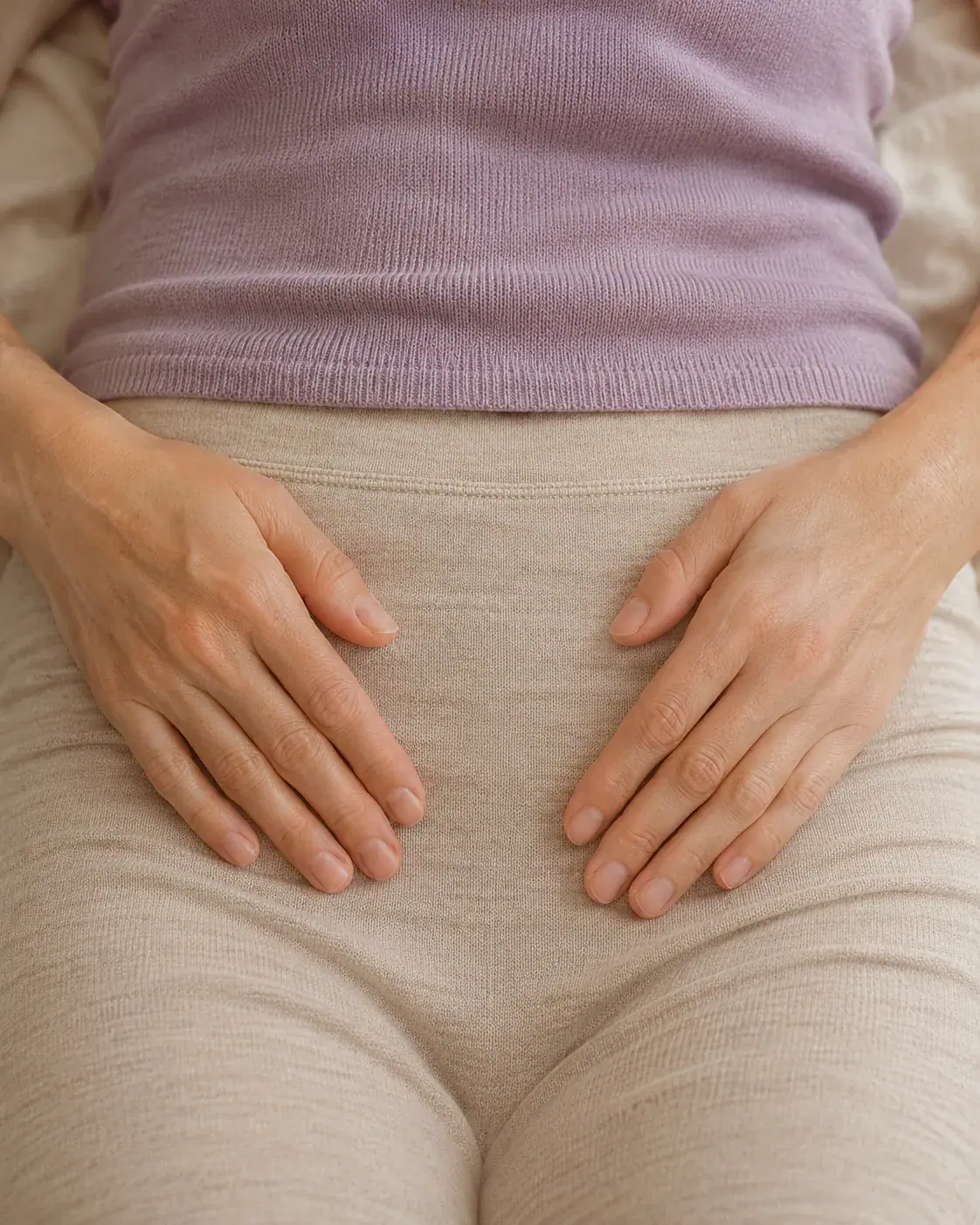 Small steps. Meaningful change.
Personal care.
For a deeply
personal journey.
My patients suffer from pain and limitation that’s intensely personal: hard to talk about, harder to live with. They often feel alone and overwhelmed, unsure where to turn.
My staff and I offer unique expertise in pelvic floor physical therapy, combined with understanding, encouragement, and compassion. We create a safe space for women, putting them at ease and leading them from despair to recovery.
After a course of treatment, the majority of our patients feel significantly or completely better.
Discover our approachCare for every chapter.
From everyday discomfort to life’s big transitions,
we’re here to help you move forward.
Pelvic pain & intimacy
Understanding, compassionate care for pain that can be difficult to talk about.
Bladder & bowel health
Support for leakage, urgency, prolapse, and a more comfortable everyday life.
Pregnancy & postpartum
Personalized care for your changing body, before and after childbirth.
Back & hip pain
Looking at the connections between movement, your pelvic floor, and pain.
Conditions We Treat
More about the concerns we can help with.
Painful intercourse and vaginal pain
Pain with intimacy can be a devastating blow to a woman’s sex life and self-esteem. Many women don’t seek help or can’t find the right help, so they suffer in silence. The good news is that after a course of pelvic floor physical therapy, the majority of women can start to enjoy pain-free, pleasurable sex—some, for the very first time.
Learn moreIncontinence, overactive bladder, pelvic organ prolapse, and constipation
Bladder and bowel problems can be embarrassing and uncomfortable, and can disrupt daily life. Too often, women assume they “just have to live with” these conditions. Fortunately, after completing pelvic floor physical therapy, most women can return to a normal, comfortable life—free of leakage, bathroom emergencies, and distress.
Learn morePain and incontinence during pregnancy and after childbirth
Pain and incontinence may go unaddressed during the exciting, exhausting time before and after childbirth. Women may not seek help for their vaginal pain, pubic pain, joint pain, or urine leakage. But after pelvic floor physical therapy, most moms and moms-to-be are much better—even back to normal.
Learn moreBack and hip problems that can make sex hurt
Debilitating in their own right, back and hip problems can trigger a musculoskeletal chain reaction ending in pelvic pain and painful sex. Fortunately, pelvic floor physical therapy can unwind this twisted chain of pain, restoring ease of movement and sexual pleasure.
Learn moreDiastasis recti (gap in the abdominal muscles)
Diastatis recti can afflict many new moms—but is diagnosed by too few doctors. It can cause “baby pooch,” pain, and bladder and bowel problems. Standard core exercises can actually make matters worse. But physical therapy can close the gap and make all the difference.
Learn moreVaginal tearing during labor
To help minimize or even prevent vaginal tearing during childbirth, moms-to-be can begin perineal massage at 34 weeks of pregnancy. With a little instruction, they can supplement their physical therapy office visits with quick home sessions. Perineal massage and pelvic floor physical therapy are common in France. Vive le massage!
Learn moreA pioneer in women’s health.
A partner in your care.
“One of the first Massachusetts based physical therapists to embrace women’s health and pelvic floor physical therapy, I’ve brought hope and healing to thousands of women for over 30 years.”
Raquel K. PerlisB.S., P.T. · FounderRaquel Perlis · 1 min 19 sec
Read the transcript
Having pain with intercourse is not normal, but it is the biggest secret women keep. It is so hard to talk about it because you feel broken, shameful, and lonely. Another known research shows that 75% of women ages 16 to 85 years old report some pain with intercourse throughout their life. There are so many reasons why women can experience this type of pain while having intercourse. There can be hormonal changes. There can be skin conditions. There can be tearing in the tissue from vaginal deliveries. It can be that you have back or hip pains and also incontinence and prolapse. All these conditions actually will lead you to hold your pelvic floor really tight. I have great news for you. My name is Raquel Perlis. I am a pelvic floor physical therapist located in Wellesley Hills, Massachusetts, and I have been in practice for 30 years, able to help thousands of women overcome their pelvic floor dysfunction. We have a team of pelvic floor physical therapists in our office that are ready to help you. Please call us for a free consultation to learn more about what we can do to help you overcome this condition.
We’re proud of our many success stories—and we’re honored that gynecologists, urologists, urogynecologists, fertility specialists, gastroenterologists, primary care doctors, and sex therapists throughout Massachusetts and New England refer patients to our practice.
A little clarity.
A place to begin.
Pelvic floor physical therapy uses hands-on techniques and exercises to treat pelvic pain, bladder and bowel problems, and prenatal and postpartum conditions.
Choose an area to explore your care.Pelvic pain & intimacy
Understanding, compassionate care for pain that can be difficult to talk about.
Explore this careBladder & bowel health
Support for leakage, urgency, prolapse, and a more comfortable everyday life.
Explore this carePregnancy & postpartum
Personalized care for your changing body, before and after childbirth.
Explore this careBack & hip pain
Looking at the connections between movement, your pelvic floor, and pain.
Explore this careReal women. Renewed hope.

“By my 10th session I was having pleasurable, pain free sex with my husband. Raquel has opened so many doors in my life I assumed would always be closed. She helped change my life forever. My husband and I are so thankful for this new found connection between us and will always have Raquel to thank.”
Brittaney, 23 years old
After only 5 or so visits and some homework, I was able to be intimate again with my husband with NO PAIN. Make an appointment and spread the word to your girlfriends.
Nancy
Read, learn, feel understood.



Massachusetts’ Top Pelvic Floor Therapy for Postpartum Recovery & Pain Relief
Discover expert pelvic floor therapy for postpartum recovery, incontinence, pain relief, and more. Book a consultation today with Raquel Perlis Physical Therapy.
Let’s find your
way forward.
Tell us a little about yourself. Our office will get in touch to help you take the next step.
What is pelvic floor physical therapy?
Pelvic floor physical therapy is a relatively new specialty at the intersection of physical therapy, gynecology, and urology. Like traditional physical therapy, it employs hands-on techniques and exercises to rehabilitate an injured body part. But instead of treating the shoulder or knee, for example, it focuses on the pelvic floor in order to treat vaginal pain, painful intercourse, bowel and bladder problems, and several prenatal and postpartum conditions. Evidence-based studies are proving the effectiveness of pelvic floor physical therapy, and women around the world are testaments to its success.
What can I expect at an appointment?
Your physical therapist spends a full, uninterrupted 50 to 60 minutes with you during every appointment. This gives us time to listen, explain, and answer your questions.
Do you accept insurance?
Raquel K Perlis Physical Therapy is an out-of-network, fee-for-service practice. We provide receipts and statements with procedure codes for you to submit to your insurer. Please check your out-of-network benefits. We do not accept Medicare or Medicaid.
Can I have a telemedicine appointment?
We offer both in-office and telemedicine visits. Contact our office to discuss which type of appointment is appropriate for you.